
PFAS Testing and Removal Solutions for Durham County Homeowners
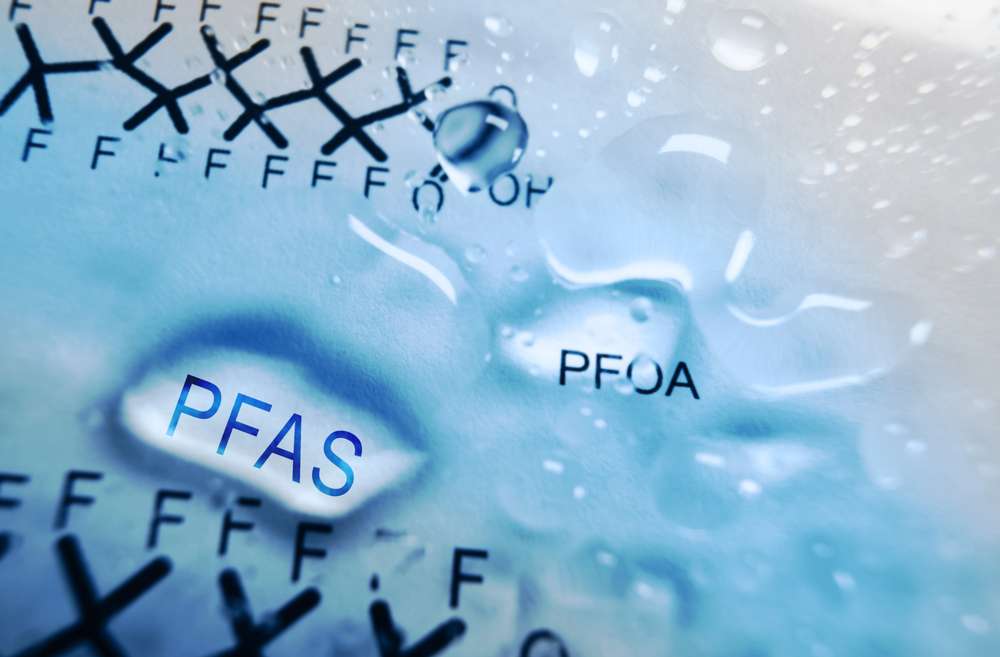
PFAS testing in Durham County has become a growing concern for homeowners who want a clearer understanding of what’s in their drinking water. Across North Carolina, these compounds—often called “forever chemicals”—have been detected in both municipal water systems and private wells. While PFAS rarely affect the taste or appearance of water, their persistence and potential long-term exposure risks have led many Durham-area residents to seek testing and treatment options that provide confidence at the tap. At AquaSolve NC, we work with homeowners throughout the Greater Raleigh–Durham area who want reliable answers about PFAS in their water. Some begin with testing after learning about regional PFAS findings, while others choose to proactively reduce PFAS exposure because these compounds are now recognized as a widespread issue across North Carolina. In either case, understanding your water first—and then selecting the right reduction strategy—helps ensure your solution is effective, appropriate, and built around real data. This guide explains PFAS risks specific to Durham County, how testing works for both city and well water, what treatment options are proven to reduce PFAS levels, and how current EPA standards affect homeowners today. Our goal is to help you make informed, practical decisions about protecting your household’s water quality. Key Takeaway PFAS are persistent “forever chemicals” found in parts of Durham County’s water supply. Testing identifies whether PFAS are present and at what levels, while professionally designed filtration systems can significantly reduce exposure. Because PFAS are widespread and regulations are still evolving, many homeowners choose either test-confirmed or proactive PFAS reduction to protect their drinking and cooking water. Quick Facts PFAS are man-made chemicals that do not easily break down in water or the environment. They have been detected in both municipal and private well water across North Carolina. PFAS cannot be seen, smelled, or tasted—testing is the only way to detect them. The EPA has proposed PFAS limits, but many are not yet enforceable. Reverse osmosis, activated carbon, and selective adsorptive media can reduce PFAS levels when properly designed. Some homeowners choose proactive PFAS treatment due to regional prevalence, even before testing shows elevated levels. Why are Durham County homeowners concerned about PFAS? PFAS concerns in Durham County are tied to broader findings across North Carolina, where these compounds have been identified in rivers, groundwater, and treated drinking water. PFAS were widely used for decades in manufacturing, firefighting foams, and consumer products, allowing them to enter water sources and persist for years. Because they do not readily degrade, PFAS can accumulate over time, leading to increased awareness among homeowners who want to reduce long-term exposure. Durham County utilities now provide PFAS-related updates through resources like the county’s PFAS drinking water standards page, which outlines monitoring efforts and current guidance. While municipal systems meet existing regulations, PFAS levels can vary by neighborhood, infrastructure age, and source water. For homeowners using private wells, there is no routine municipal monitoring—making independent testing especially important. Beyond Durham itself, surrounding areas in the Research Triangle and eastern North Carolina have reported PFAS findings that influence regional groundwater and surface water systems. This broader context has led many homeowners to view PFAS not as an isolated issue but as a widespread water quality challenge that deserves proactive attention. What are PFAS and why are they called “forever chemicals”? PFAS, or per- and polyfluoroalkyl substances, are a large group of synthetic chemicals first introduced in the mid-20th century. They were valued for their resistance to heat, oil, and water, which led to their use in nonstick cookware, stain-resistant fabrics, food packaging, and firefighting foams. Those same chemical properties also prevent PFAS from breaking down naturally, earning them the nickname “forever chemicals.” According to the U.S. Environmental Protection Agency’s current understanding of PFAS risks, these compounds can persist in water and soil for long periods and may accumulate in the body with repeated exposure. While research is ongoing, minimizing unnecessary exposure is widely viewed as a practical step for protecting long-term health. Because PFAS do not change the taste, smell, or appearance of water, homeowners often assume their water is unaffected. In reality, PFAS can be present even in clear, good-tasting water, which is why testing and informed treatment decisions play such an important role in water quality planning. PFAS testing in Durham County: city water vs. private wells PFAS testing in Durham County provides clarity about what is actually present in your water before choosing a treatment solution. Testing involves collecting water samples and sending them to certified laboratories capable of detecting PFAS at very low concentrations. Results help determine whether PFAS are present and which reduction strategies are most appropriate. Homeowners using municipal water often rely on annual water quality reports, but in-home testing can reveal variations that occur between treatment facilities and individual taps. Aging pipes, localized infrastructure, and distribution factors can influence what reaches your home. For private well owners, testing is even more critical, as wells are not regulated or routinely monitored for PFAS. In nearby communities such as Spring Hope, PFAS testing and treatment have become increasingly common as homeowners learn how water quality can differ by location and source. Our page on PFAS in drinking water outlines how these differences show up in real homes—reinforcing why Durham County residents often pursue testing or proactive PFAS reduction based on regional risk rather than waiting for symptoms or regulations. Local water conditions across Durham County and surrounding areas Water quality challenges vary across the Greater Raleigh–Durham region depending on source water, infrastructure, and geology. AquaSolve NC serves homeowners throughout Durham, Rougemont, Bahama, Bethesda, and neighboring communities, as well as Raleigh, Cary, Chapel Hill, Wake Forest, Clayton, Goldsboro, Rocky Mount, Wilson, and Greenville. Across these areas, PFAS, chlorine, sediment, and aging distribution systems are common concerns for both city and well water users. Because PFAS levels can differ by neighborhood and county, a localized approach matters. Understanding regional water sources, watershed influences, and historical land use allows treatment systems to be designed around real conditions. This local expertise helps