










Hard water in Raleigh homes can leave mineral scale on fixtures, interfere with cleaning, and reduce the efficiency of water-using appliances. A properly sized water softener helps remove the calcium and magnesium responsible for these problems. Aqua Solve NC provides in-home hardness testing, professional water softener installation, and ongoing service to help homeowners protect their plumbing and enjoy better everyday water.
If you’re dealing with hard water in Raleigh, you may already know how frustrating it can be. White residue keeps appearing on your faucets. Glasses come out of the dishwasher covered in spots. Soap doesn’t seem to rinse away cleanly, and you’re constantly scrubbing mineral buildup from sinks and shower doors.
These problems may seem cosmetic, but hard water can also affect the equipment you depend on every day. Over time, mineral deposits can accumulate inside water heaters, fixtures, and plumbing components, potentially increasing maintenance needs and reducing efficiency.
The good news? You don’t have to keep fighting the same buildup. With professional water testing and a properly selected water softener, Raleigh homeowners can address hardness at its source rather than repeatedly cleaning up its effects.
Quick Facts About Hard Water in Raleigh
What Causes Hard Water in Raleigh Homes?
Hard water develops when water contains elevated concentrations of dissolved calcium and magnesium, minerals that can enter the water supply as water moves through soil and rock.
Water hardness varies by source and location. Some Raleigh households receive municipal water, while others in surrounding Wake County communities rely on private wells. The mineral content at one property may differ from another, so it’s important not to assume every Raleigh home has the same hardness level.
Hardness is generally considered an aesthetic and operational water quality issue rather than a direct health concern. However, its effects on plumbing, cleaning, and appliances can make treatment worthwhile.
The U.S. Geological Survey explains that hard water can contribute to soap scum, mineral deposits, and scale buildup in household equipment.
What Are the Signs of Hard Water in Your Raleigh Home?
The most recognizable signs of hard water include mineral deposits on fixtures, spotted glassware, soap scum, and reduced cleaning performance.
Some symptoms are easy to recognize. Others develop gradually, making it harder to connect them to the water flowing through your home.
White Scale on Faucets and Showerheads
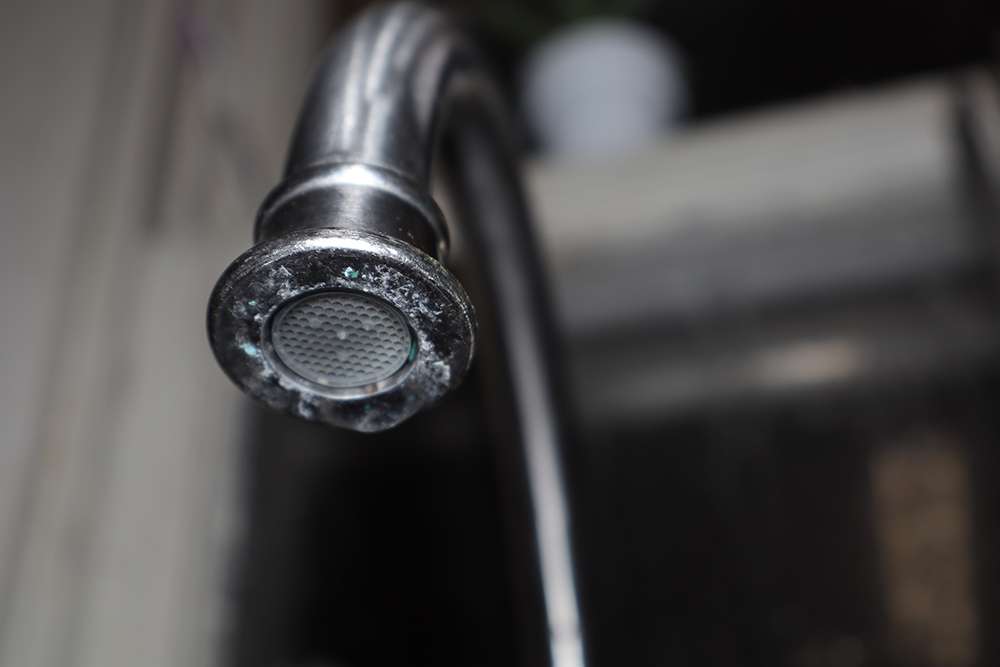
When hard water evaporates, dissolved minerals can remain behind as a chalky white residue. You may notice it around faucet openings, on showerheads, or along glass shower doors.
Repeated cleaning can remove some surface deposits, but the buildup often returns as long as the underlying hardness remains untreated.
Cloudy Glassware and Spotted Dishes
Have you ever unloaded the dishwasher only to find your glasses covered in cloudy film? Hardness minerals can leave deposits on dishes, particularly when water evaporates during the drying cycle.
Dishwasher rinse aids may help reduce spotting, but they don’t remove hardness from the home’s water supply.
Soap Scum and Reduced Lather
Calcium and magnesium can react with soap, forming residue that collects on tubs, sinks, and shower surfaces. Hard water may also require more soap or detergent to achieve the same cleaning results.
Mineral Buildup in Appliances
Scale doesn’t only form where you can see it. Mineral deposits can accumulate on heating surfaces and inside water-using equipment, including water heaters, dishwashers, and coffee makers.
As deposits accumulate, equipment may require more frequent cleaning or maintenance.
- White deposits around faucets and showerheads
- Cloudy or spotted dishes after washing
- Soap scum on tubs and shower doors
- Stiff or dull-looking laundry
- Mineral buildup in kettles or coffee makers
- Frequent descaling of household fixtures
- Reduced performance from water-using appliances
These symptoms can suggest hardness, but testing is the best way to confirm the problem and determine its severity.
How Does Hard Water Affect Plumbing and Appliances?
Hard water can gradually deposit mineral scale inside plumbing fixtures, water heaters, and appliances, potentially reducing efficiency and increasing maintenance requirements.
When hard water is heated, dissolved minerals can form solid deposits. These deposits may collect on heating elements, internal surfaces, and other components that regularly contact water.
For Raleigh homeowners, the consequences may include:
- Water heaters: Scale on heating surfaces can interfere with heat transfer and contribute to efficiency losses.
- Dishwashers: Mineral deposits can accumulate on internal components and contribute to spotting.
- Washing machines: Hardness can reduce detergent effectiveness and contribute to residue.
- Faucets and showerheads: Deposits may restrict individual openings and require frequent cleaning.
- Plumbing: Significant long-term scale accumulation can restrict water flow in susceptible components.
These effects depend on the water’s hardness, equipment design, temperature, and usage. Not every appliance problem is caused by hard water, but confirmed hardness is worth addressing when scale becomes a recurring issue.
How Does a Water Softener Prevent Scale Buildup?
A salt-based water softener prevents new hardness scale by removing dissolved calcium and magnesium before the water travels through the home’s plumbing.
Most traditional water softeners use a process called ion exchange. As water passes through a resin bed, calcium and magnesium ions are exchanged for sodium or potassium ions, depending on the system and regenerant used.
The resin is periodically regenerated using a brine solution so it can continue removing hardness minerals.
By reducing hardness throughout the home, a properly operating water softener can help minimize new scale deposits, improve soap performance, and reduce recurring mineral residue.
Water softeners are designed to prevent new hardness buildup, not instantly remove years of existing scale. Older deposits may require cleaning or additional maintenance even after a softener is installed.
What Are the Benefits of Water Softener Installation?
Professional water softener installation can improve everyday cleaning, reduce mineral deposits, and help protect plumbing and appliances from the effects of hardness.
Less Time Scrubbing Fixtures
When water contains fewer hardness minerals, it leaves behind less calcium and magnesium residue as it dries. That means fewer recurring white deposits on faucets, showerheads, and glass surfaces.
Better Cleaning Performance
Softened water allows soaps and detergents to work without reacting as strongly with hardness minerals. Homeowners may notice improved lathering, less soap scum, and easier cleaning.
Protection for Water-Using Appliances
Reducing scale formation helps protect the components of water heaters, dishwashers, washing machines, and other equipment exposed to heated water.
Potential Long-Term Savings
Reduced scale accumulation can help limit certain maintenance needs and efficiency losses. Actual savings depend on existing hardness, appliance condition, household usage, and system operating costs.
Water Softener vs. Salt-Free Conditioner: What’s the Difference?
A traditional salt-based water softener removes calcium and magnesium through ion exchange, while most salt-free conditioners aim to reduce scale formation without removing the hardness minerals.
Both approaches may be marketed for scale-related concerns, but they do not produce identical water characteristics.
| Feature | Salt-Based Softener | Salt-Free Conditioner |
|---|---|---|
| Removes hardness minerals | Yes | Generally no |
| Addresses scale | Reduces new hardness scale | May inhibit scale, depending on technology and conditions |
| Requires regeneration salt | Typically yes | Typically no |
| Improves soap performance through hardness removal | Yes | Generally no |
For homeowners who want actual hardness reduction, a traditional water softener is generally the more direct solution. The best choice still depends on water chemistry, household needs, and treatment goals.
What Happens During Professional Water Softener Installation?
Professional water softener installation typically involves testing the water, selecting the correct equipment capacity, connecting the system to the home’s plumbing, and verifying proper operation.
Step 1: Test Your Water Hardness
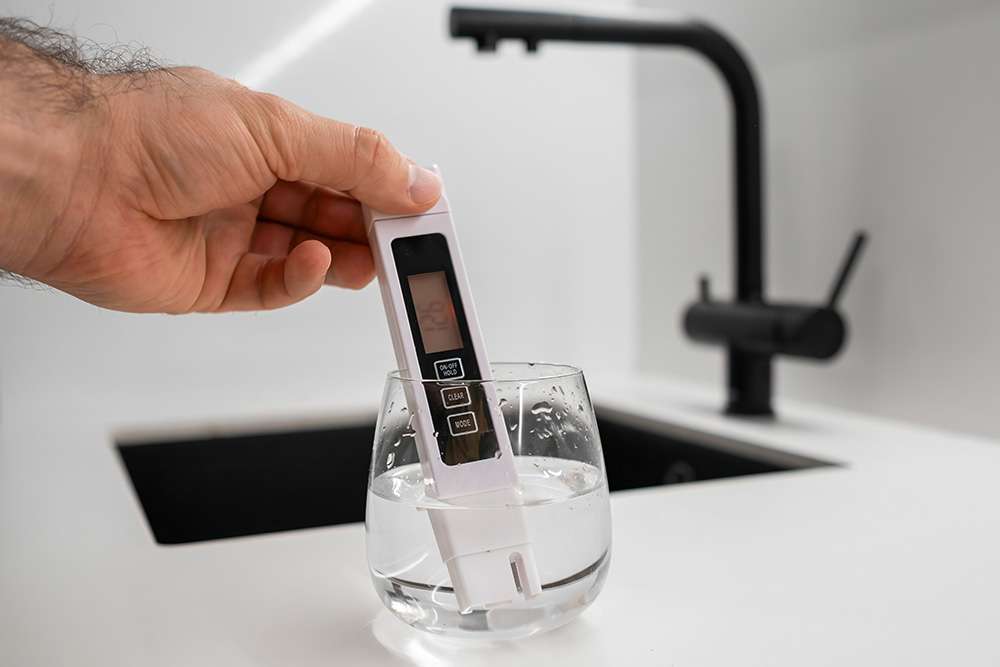
Before recommending equipment, a water treatment professional measures hardness and evaluates relevant water characteristics. This helps determine whether a softener is appropriate and what capacity the household needs.
Step 2: Select the Right System
System selection considers hardness, water usage, peak flow demand, household size, plumbing configuration, and other water quality concerns.
Correct sizing matters. An undersized softener may struggle to meet demand, while oversized or poorly configured equipment can increase costs without providing meaningful benefits.
Step 3: Install and Configure the Equipment
The softener is generally connected near the home’s main water entry point, with appropriate plumbing, drainage, bypass arrangements, and regeneration settings.
Professional installation helps ensure that the system is configured for the home’s plumbing and operates as intended.
Step 4: Verify Performance
After installation, the technician can check system operation, verify treated-water hardness, and explain routine homeowner maintenance.
Aqua Solve NC follows a test-first process and recommends equipment based on the property’s water chemistry and household needs rather than relying on a standard package for every home.
How Much Does Water Softener Installation Cost in Raleigh?
Water softener installation costs in Raleigh depend on the equipment selected, household water demand, plumbing requirements, and the complexity of installation.
Factors that can influence pricing include:
- System capacity and features
- Water hardness level
- Household water consumption
- Available installation space
- Drainage and plumbing requirements
- Additional treatment needed for iron or other water concerns
- Ongoing salt and maintenance requirements
Because these variables differ between homes, a professional assessment is more useful than choosing equipment based solely on an advertised price.
Aqua Solve NC provides personalized recommendations and pricing based on testing results and the home’s requirements.
What Maintenance Does a Water Softener Need?
Water softeners generally require periodic salt replenishment, monitoring for changes in performance, and occasional professional maintenance.
For a typical salt-based system, homeowners should check the brine tank periodically and refill it with the recommended salt before the level becomes too low.
Other useful maintenance practices include:
- Checking for salt bridges in the brine tank
- Watching for unexpected changes in salt consumption
- Inspecting visible connections for leaks
- Monitoring returning scale or soap scum
- Following manufacturer recommendations for cleaning and service
- Arranging an inspection when regeneration or water quality changes
Maintenance frequency varies by equipment model, water usage, and hardness. A system that suddenly stops producing soft water may need an adjustment or repair rather than complete replacement.
A water softener is not a substitute for drinking water filtration or disinfection. Traditional softeners target hardness minerals and are not designed to reliably remove bacteria, PFAS, or every other potential contaminant. If your water has additional concerns, testing can help determine whether separate treatment is needed.
Hard Water Solutions for Raleigh and Wake County Homeowners
Raleigh homeowners have different water treatment needs depending on their water source, plumbing, and household usage. A property connected to municipal water may experience different conditions than a home relying on a private well.
Aqua Solve NC serves Raleigh and communities throughout Wake County, including Cary, Apex, Wake Forest, Morrisville, Holly Springs, Rolesville, Knightdale, Fuquay-Varina, Wendell, and Zebulon.
Its approach begins with evaluating the water at the property. Testing helps determine whether hardness is contributing to scale and cleaning problems or whether another issue needs attention.
From there, Aqua Solve NC can recommend a properly sized softener, arrange professional installation, and provide ongoing service guidance to help maintain performance.
This local, test-first approach matters because even neighboring homes may have different water characteristics. The goal is to solve the specific problem rather than install equipment the homeowner may not need.
Frequently Asked Questions About Hard Water in Raleigh
Is hard water common in Raleigh, NC?
Will a water softener remove existing scale from my pipes?
Can a water softener help my water heater last longer?
Do I need a water softener if I have city water?
How long does water softener installation take?
How do I know what size water softener my home needs?
Stop Fighting Hard Water and Start Protecting Your Raleigh Home
Hard water can turn ordinary household chores into recurring frustrations. Between stubborn mineral spots, soap scum, and scale inside water-using appliances, the effects can add up over time.
Fortunately, a properly selected water softener can address the hardness minerals responsible for these problems and make everyday cleaning easier while helping protect your plumbing and equipment.
The first step is finding out whether hardness is actually the cause. Aqua Solve NC offers professional water assessments, customized water softener installation, and ongoing support for Raleigh-area homeowners.
Ready to find out what’s in your water? Schedule your hard water assessment in Raleigh with Aqua Solve NC and get clear recommendations based on your home’s needs.
Call (919) 624-7045 to get started.