










Water quality testing in Wake County helps homeowners understand what is actually happening with their water before choosing a treatment solution. Whether your home uses municipal water or a private well, testing can help identify water characteristics and point you toward appropriate next steps instead of relying on taste, odor, staining, or appearance alone.
Water quality testing in Wake County gives homeowners a clearer picture of the water they use every day. Changes in taste, odor, color, staining, scale, or sediment may suggest a water quality issue, but those symptoms alone cannot tell you exactly what is causing the problem.
That’s why testing should come before treatment. Instead of choosing a water softener, filter, or reverse osmosis system based on guesswork, homeowners can use test results to better understand their water and determine which treatment may be appropriate.
Water concerns can also differ between homes using municipal water and those relying on private wells. Aqua Solve NC helps homeowners evaluate their water and understand their options based on the conditions found at the property.
Quick Facts About Water Quality Testing
Why Should You Test Your Water in Wake County?
Water testing helps Wake County homeowners move from guessing about a water problem to understanding what may actually be happening.
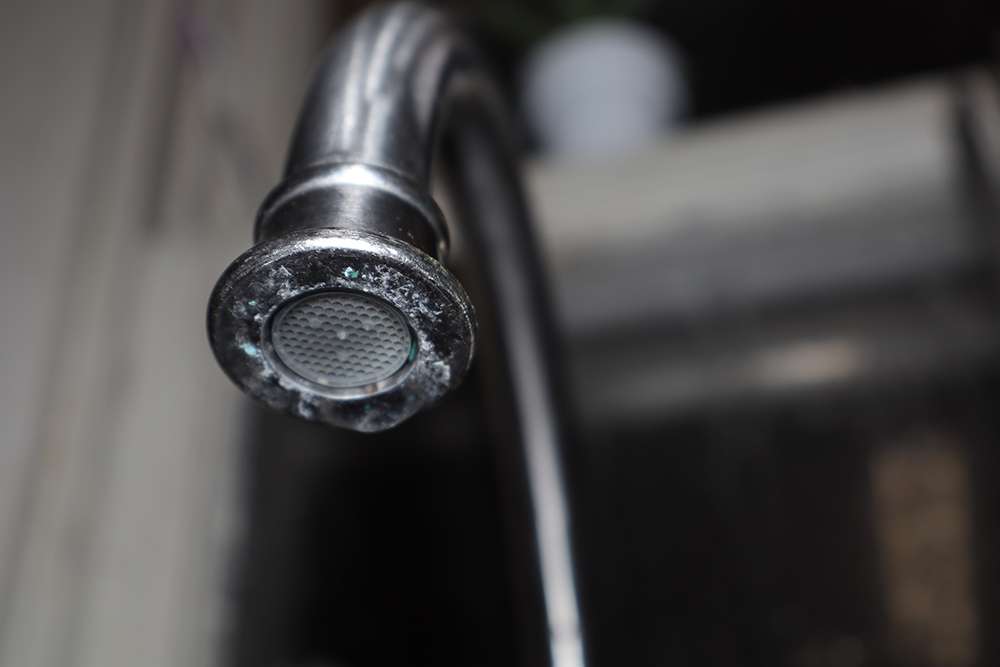
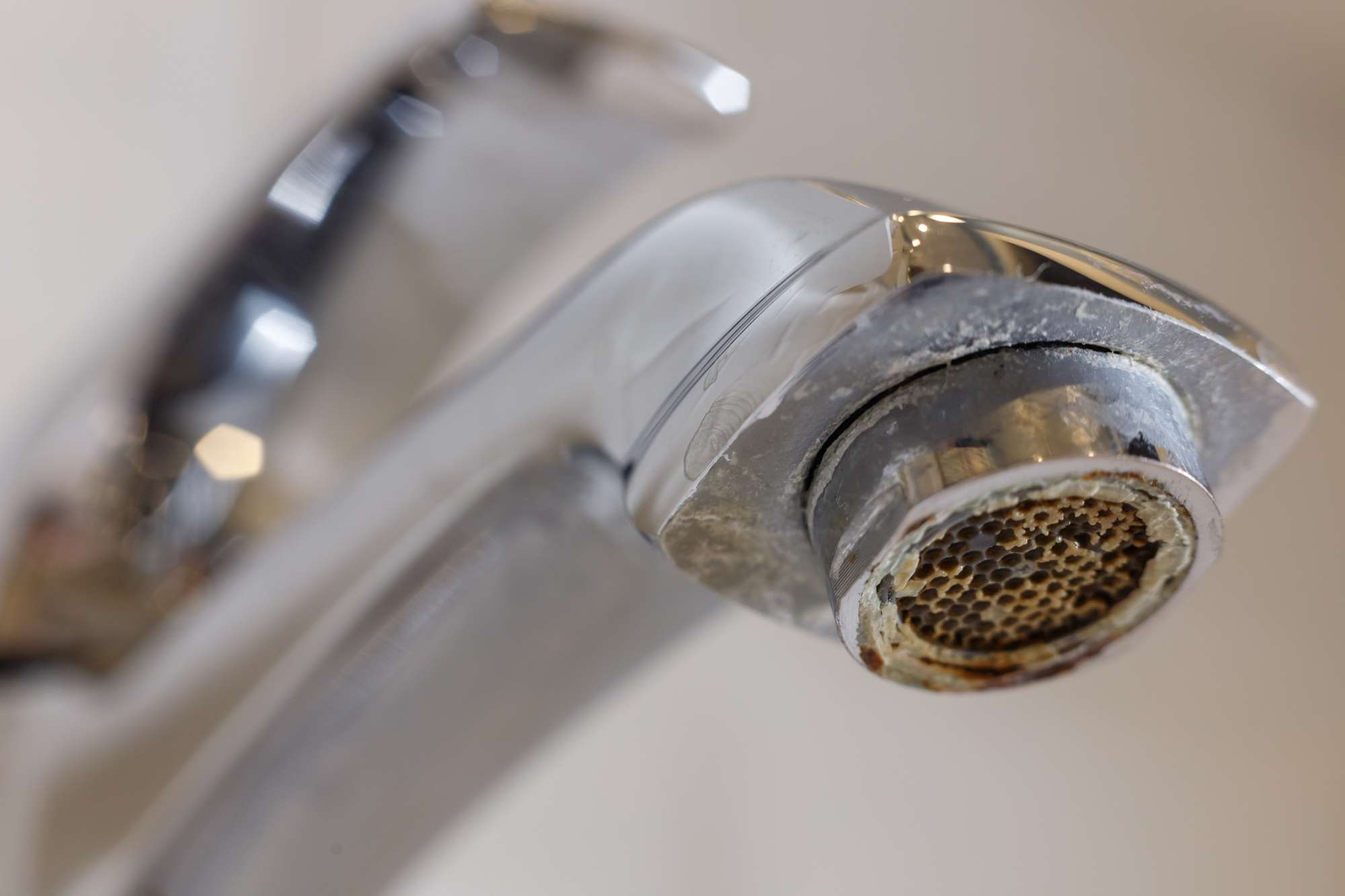
A white crust around faucets might suggest hardness. Orange or reddish staining can point toward iron. An unpleasant odor may have several possible causes. Cloudiness or sediment can also originate from different sources depending on the home’s plumbing and water supply.
These clues are useful, but they don’t tell the entire story. Two homes with similar-looking water problems can require very different treatment solutions.
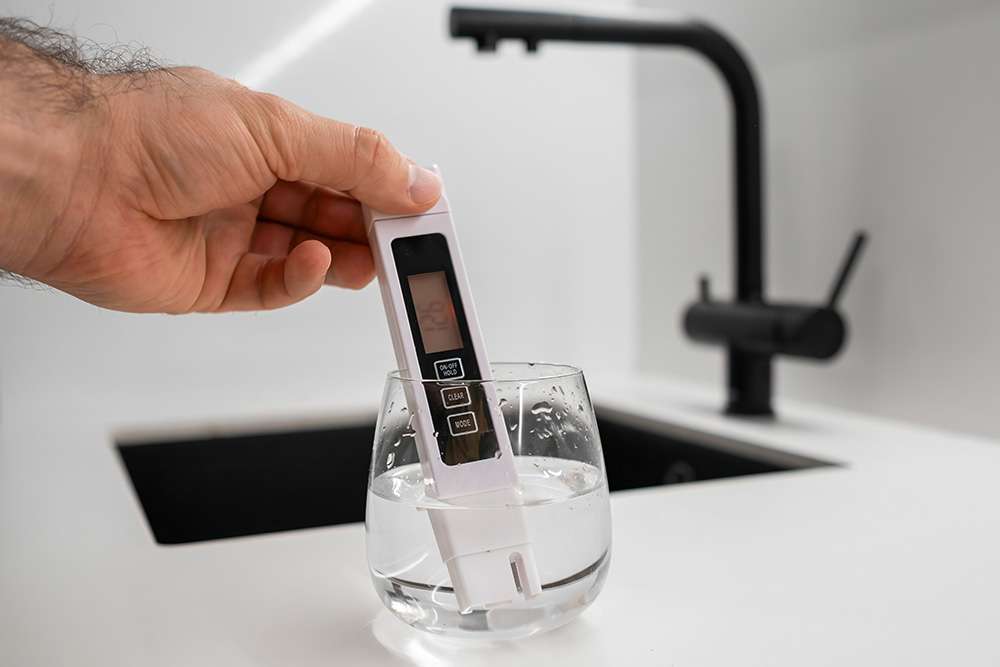
That’s why Aqua Solve NC offers professional in-home water testing to help homeowners better understand their water before deciding what to do next.
- Unusual tastes or odors
- White scale on faucets and fixtures
- Orange, brown, or dark staining
- Cloudiness or visible sediment
- Changes in how soap lathers
- Recurring spots on dishes and glassware
- A noticeable change in your water’s appearance
- Changes in private well water after flooding, repairs, or other events
What Can Water Quality Testing Identify?
Water testing can help identify specific characteristics of your water, although exactly what can be detected depends on the testing method being used.
An in-home evaluation may help identify conditions such as hardness and other common water quality concerns. The findings can provide useful information for determining whether treatment equipment should be considered.
However, no single basic in-home test should be assumed to identify every possible contaminant. Certain concerns, particularly those related to health or specific regulated contaminants, may require analysis by an appropriate laboratory.
Clear, good-tasting water is not automatically free of contaminants. Likewise, unusual taste, odor, or appearance does not necessarily mean the water is unsafe. If you have a specific health or safety concern, appropriate laboratory testing may be necessary.
Do Well Water and City Water Need Different Testing?
Yes. Private well water and municipal water can present different testing considerations because the water comes from different sources and is managed differently.
Private Well Water
Private well owners are responsible for monitoring their own water quality. Groundwater conditions can change, and wells can be affected by local geology, the condition of the well itself, nearby land use, flooding, repairs, and other environmental factors.
Minerals, sediment, iron, odors, hardness, and other aesthetic concerns may prompt a homeowner to seek testing. Health-related concerns can require appropriate laboratory analysis rather than relying only on an in-home treatment assessment.
Municipal Water
Public water systems are monitored and treated before water reaches customers, but homeowners may still have concerns about taste, odor, hardness, scale, or conditions related to their home’s plumbing.
If the water changes after entering the property, evaluating the water at the home can help determine whether the concern may be related to treatment preferences, plumbing, or another household-specific factor.
When Should Wake County Homeowners Test Their Water?
Testing is worth considering whenever you notice a meaningful change in your water or need more information before choosing treatment equipment.
Private well owners may also need periodic testing based on their circumstances and applicable public-health guidance. Testing can be especially important following events that could affect a well, such as flooding or repairs.
For municipal-water households, additional testing may make sense when there is a persistent change in taste, odor, appearance, staining, or another characteristic that you want to better understand.
Keeping records of previous tests can also be helpful. If water conditions change later, earlier results provide a useful point of comparison.
Why Should Testing Come Before Water Treatment?
Testing should come first because the right treatment system depends on the problem you’re actually trying to solve.
A water softener is designed primarily to address hardness. A whole-home filtration system can be configured for other water quality concerns. Reverse osmosis is commonly used to improve drinking water at a specific faucet. Other problems may require different equipment altogether.
Installing treatment without first understanding the water can result in equipment that is oversized, undersized, unnecessary, or simply designed for the wrong problem.
Don’t choose water treatment equipment based only on what a neighbor uses. Even nearby homes can have different plumbing, water sources, household demands, and water quality concerns. Test your own water and choose treatment based on your home’s results.
What Happens After Your Water Is Tested?
After testing, the next step is to match any identified water concerns with the appropriate treatment approach.
If hardness is the primary issue, a water softener may be recommended to reduce calcium and magnesium that contribute to scale and other hard-water problems.
When the goal is broader treatment throughout the home, a whole-house water filtration system may be appropriate depending on the substances or characteristics that need to be addressed.
For homeowners focused on improving water at the kitchen sink, reverse osmosis filtration may provide another option.
In some situations, the results may indicate that additional testing is necessary before a treatment recommendation should be made. The goal is not to install as much equipment as possible. It’s to select treatment that makes sense for the water conditions found in your home.
Water Quality Testing in Wake County With Aqua Solve NC
Wake County includes a mix of municipal-water customers and private well owners, which means homeowners may encounter very different water quality questions from one property to another.
Aqua Solve NC takes a test-first approach to water treatment. Instead of assuming that a stain, odor, taste, or scale problem has a particular cause, the process begins by gathering information about the home’s water and identifying the concern that needs to be addressed.
That information can then be used to discuss treatment options appropriate for the property, household water usage, and treatment goals.
This approach is especially valuable because water treatment isn’t one-size-fits-all. Understanding the water first can help homeowners avoid unnecessary equipment while choosing solutions designed around their actual needs.
Frequently Asked Questions About Water Quality Testing in Wake County
How often should I test my water in Wake County?
Should private well water be tested regularly?
Can an in-home water test detect every contaminant?
What are signs that I should have my water tested?
What happens if a water test finds a problem?
Can water testing tell me which treatment system I need?
Know What’s in Your Water Before You Treat It
Water problems aren’t always as simple as they appear. Scale, stains, odors, unusual tastes, and sediment can provide useful clues, but choosing treatment based on symptoms alone can lead to the wrong solution.
Professional water quality testing gives Wake County homeowners a better starting point. By understanding the water first, you can make more informed decisions about whether your home needs a softener, filtration system, reverse osmosis system, additional testing, or another solution.
Aqua Solve NC can help you evaluate your home’s water, understand the results, and determine the next step based on your specific water quality concerns.