










Regular water treatment system maintenance helps protect equipment performance, maintain consistent water quality, and catch small problems before they become expensive repairs. Maintenance requirements vary by system, water conditions, and household usage, so homeowners should follow manufacturer recommendations and arrange professional service when performance changes.
Water treatment system maintenance is an important part of protecting the equipment responsible for improving your home’s water. Whether you rely on a water softener, reverse osmosis system, whole-home filtration system, or another treatment solution, even well-designed equipment requires routine attention.
Fortunately, maintenance does not have to be complicated. Checking salt levels, replacing filters when recommended, watching for leaks, and paying attention to changes in taste, odor, pressure, or water appearance can provide valuable clues about how your system is performing.
Professional service can go further by identifying worn components, incorrect settings, declining treatment media, or changes in incoming water conditions. The goal isn’t simply to keep equipment running. It’s to make sure your system continues treating your home’s water as intended.
Quick Facts About Water Treatment Maintenance
How Often Does a Water Treatment System Need Maintenance?
A water treatment system should be maintained according to the equipment type, household water use, incoming water conditions, and manufacturer recommendations.
There isn’t one maintenance schedule that works for every home. A sediment filter dealing with challenging well water may require attention sooner than a filter treating relatively clear municipal water. Reverse osmosis cartridges, water softeners, whole-home filters, and other treatment systems also have different service requirements.
Instead of relying on a generic timeline, keep records of filter changes, repairs, water tests, and professional service. This makes it easier to recognize patterns and determine whether your system’s maintenance requirements are changing.
- Look for leaks around equipment and connections.
- Watch for unexpected changes in water pressure.
- Pay attention to returning stains, odors, or unusual tastes.
- Check water softener salt levels when applicable.
- Replace cartridges according to manufacturer recommendations.
- Keep records of professional service and water testing.
How Often Should Water Filters Be Changed?
Water filters should be changed according to manufacturer specifications and the actual water conditions in your home.
The appropriate schedule depends on filter type, water usage, contaminant load, source water, and filter capacity. That’s why a blanket rule such as replacing every filter every six months can be misleading.
A cartridge exposed to heavy sediment may clog sooner than expected. Other filters may remain effective considerably longer. Waiting too long to replace a clogged cartridge can reduce water flow and pressure while potentially affecting treatment performance.
It’s also important to remember that not every treatment system uses disposable cartridges. Some whole-home systems use backwashing treatment media with entirely different maintenance requirements.
What Maintenance Does a Water Softener Need?
Water softener maintenance generally involves monitoring salt, inspecting the brine tank, watching system performance, and arranging service when operation changes.
For salt-based systems, periodically check the brine tank and add the appropriate salt before levels become too low. How frequently you need salt depends on household water consumption, hardness levels, equipment efficiency, and regeneration settings.
Watch for salt bridging as well. This happens when a hardened layer forms inside the brine tank and prevents salt from dissolving correctly. A tank can appear full while the system isn’t actually receiving the salt it needs.
Unexpected salt consumption can also signal a problem. If your softener suddenly starts using substantially more or less salt without a change in household water use, the equipment may need inspection or adjustment.
Returning water spots, scale, reduced soap lather, or noticeable changes in how your water feels can indicate that a softener isn’t performing as expected. Investigate these changes instead of assuming the system simply needs more salt.
What Maintenance Does a Reverse Osmosis System Need?
A reverse osmosis system requires periodic filter replacement, membrane maintenance, and inspection of its components.
Most residential RO systems use several treatment stages. Sediment and carbon prefilters help protect the RO membrane, while postfilters may improve the taste of the finished drinking water. Each component has its own expected service life.
Replacement schedules should follow the system manufacturer’s guidance because household usage and incoming water conditions can significantly affect filter life.
A noticeable decline in drinking water production, an unusual taste, or persistent changes in water quality may indicate that the filters, membrane, storage tank, or another component requires attention. Aqua Solve NC offers water treatment maintenance and support when homeowners need help diagnosing equipment performance.
What Maintenance Does a Whole-Home Filtration System Need?
Whole-home filtration maintenance depends on whether the equipment uses replaceable cartridges, backwashing media, chemical injection, or another treatment method.
Cartridge systems require periodic replacement as filters collect sediment and other substances. Backwashing systems may require inspection of control valves, programming, drain flow, and treatment media.
Chemical injection equipment can require additional attention to solution levels, feed pumps, injectors, and related filtration components. The system needs to continue delivering treatment appropriate for the home’s water chemistry and flow rate.
Professional maintenance can be particularly valuable for more complex equipment. A system may appear to operate normally even when its settings or components are no longer delivering the intended treatment.
What Are the Signs Your Water Treatment System Needs Service?
Changes in water quality, pressure, equipment behavior, or consumption patterns are common signs that a water treatment system may need professional attention.
Watch for:
- A sudden decrease in water pressure
- Returning hard water spots or scale
- Unusual tastes or odors
- Orange, brown, or black staining
- Cloudy water or unexpected sediment
- Leaks around treatment equipment
- Equipment running or regenerating excessively
- Unexpected changes in salt consumption
- Changes in reverse osmosis production
These symptoms don’t automatically mean the entire system has failed. A clogged cartridge, incorrect setting, worn seal, depleted media, or another serviceable component may be responsible.
A sudden change in taste, smell, color, or clarity can sometimes indicate a change in your source water rather than an equipment failure. If your water changes unexpectedly, consider professional water testing instead of assuming the treatment system is solely responsible.
What Water Treatment Maintenance Can You Do Yourself?
Homeowners can handle many basic checks and routine tasks, while equipment repairs and technical adjustments are often better left to a qualified professional.
Depending on the equipment, homeowner maintenance may include checking salt, replacing manufacturer-approved cartridges, looking for visible leaks, keeping the equipment area clean, and monitoring water quality.
Tasks involving electrical components, pressurized plumbing, control valves, chemical feed equipment, or significant equipment disassembly may require professional service.
If you’re unsure how to maintain a particular component, check the manufacturer’s documentation or contact a water treatment professional rather than making adjustments that could affect system performance.
When Should You Repair or Upgrade a Water Treatment System?
An upgrade may make sense when equipment requires repeated repairs, no longer meets household demand, cannot address current water conditions, or has replacement parts that are difficult to obtain.
Age alone doesn’t mean a system needs replacement. Properly maintained equipment may continue performing effectively for many years. On the other hand, newer equipment that was incorrectly sized or selected for the wrong water problem may struggle much sooner.
Consider having your system professionally evaluated when:
- Repair costs become frequent or substantial.
- The system no longer provides consistent water quality.
- Your household’s water demand has changed significantly.
- New testing identifies concerns the existing system cannot address.
- Replacement parts are no longer readily available.
- The existing system is inefficient or incorrectly sized.
A professional evaluation can help determine whether repairing existing equipment or exploring a replacement offers better long-term value.
Why Water Testing Still Matters After Installation
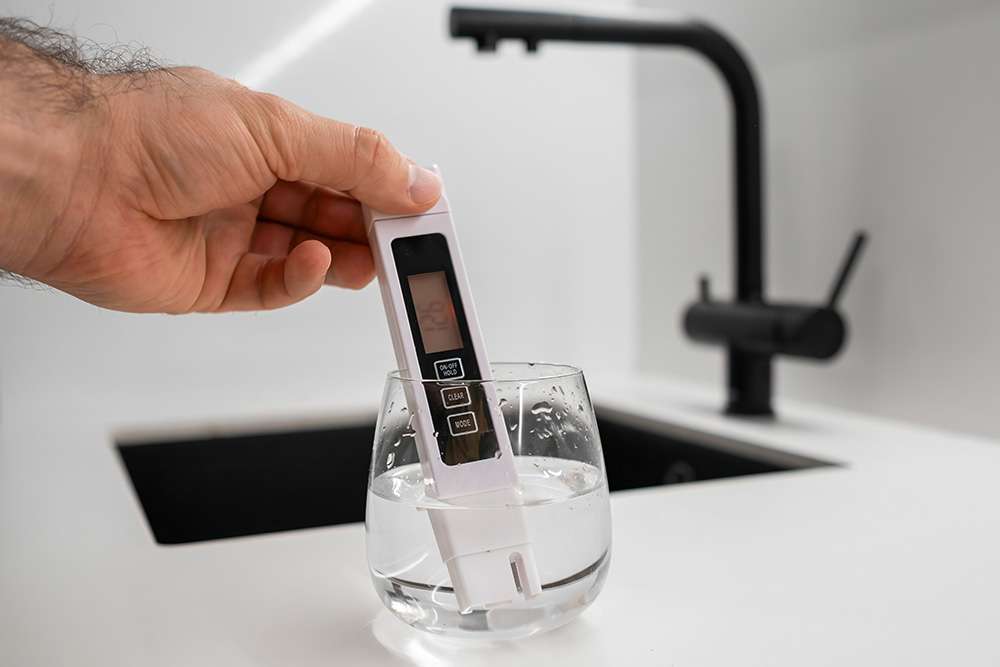
Water testing helps determine whether incoming water conditions have changed and whether your equipment continues addressing the concerns it was originally designed to treat.
This can be especially important for private well owners because groundwater conditions can change. Municipal water customers may also notice changes in hardness, chlorine levels, taste, or other water characteristics.
If an established system suddenly appears to stop performing normally, testing can help separate an equipment problem from a change in incoming water. Aqua Solve NC’s in-home water testing can provide valuable information before making significant repairs or changing treatment equipment.
Water Treatment System Maintenance in Eastern North Carolina
Aqua Solve NC helps homeowners throughout Eastern North Carolina maintain water treatment equipment according to their systems and individual water conditions.
Homes in the region can experience different combinations of hard water, iron, sediment, sulfur odors, and other water concerns, particularly when private wells are involved. These differences can influence both the type of treatment required and the maintenance necessary to keep that equipment operating properly.
Rather than waiting for equipment to stop working, homeowners can make maintenance part of an ongoing water quality plan. Regular inspections, appropriate filter replacement, equipment servicing, and periodic testing can help keep treatment aligned with current household and water conditions.
Homeowners dealing with changing water quality can also explore Aqua Solve NC’s common water problems to better understand what different stains, odors, tastes, and other symptoms may indicate.
Frequently Asked Questions About Water Treatment System Maintenance
How often should a water treatment system be serviced?
How do I know when my water filter needs replacing?
What maintenance does a water softener need?
Can I maintain my water treatment system myself?
When should I replace my water treatment system?
Protect Your Water Treatment Investment
Consistent water treatment system maintenance helps equipment perform reliably, reduces the likelihood of unexpected problems, and can extend the useful life of important components. The best maintenance plan is one designed around your actual equipment, household usage, and water conditions.
Pay attention to changes in pressure, taste, odor, staining, salt consumption, and equipment operation. Replace filters according to manufacturer recommendations, keep up with basic homeowner maintenance, and arrange professional service when something doesn’t seem right.
Aqua Solve NC can help evaluate existing equipment, identify maintenance needs, and determine whether changes in water quality require additional testing or treatment. Staying proactive can help you get dependable performance and greater long-term value from the water treatment equipment you already have.